Preparing a child for their first dental restoration involves using positive, age-appropriate language and focusing on the “helpful” nature of the procedure. It is best to avoid using words like “shot,” “drill,” or “pain,” and instead describe the process as “cleaning out sugar bugs” to make the tooth strong again. Consulting a pediatric dentist near McLean is the best first step, as these specialists are trained in behavioral techniques that help children feel safe and relaxed during clinical treatments.
What is the Goal of a Pediatric Filling?
A filling is designed to remove decayed material and seal the tooth to prevent further damage. When looking for dental fillings near you, you will find that pediatric offices often use “white” composite resins that blend in perfectly with natural teeth. This process ensures that the primary tooth stays healthy until it is ready to fall out naturally, protecting the spacing for future permanent teeth.
How Can You Talk to Your Child About the Appointment?
The way you frame the visit at home significantly impacts your child’s anxiety levels. To effectively prepare child for first cavity filling visit, try “playing dentist” at home using a toothbrush as a magic wand. Explain that the dentist will use a tiny “water sprayer” and a “whistling tool” to wash away the cavity. Keep your explanations brief and emphasize that their favorite stuffed animal or a movie can accompany them for support.
What Techniques Do Specialists Use to Help?
Pediatric dental teams use specific communication styles to manage a child’s expectations without causing fear.
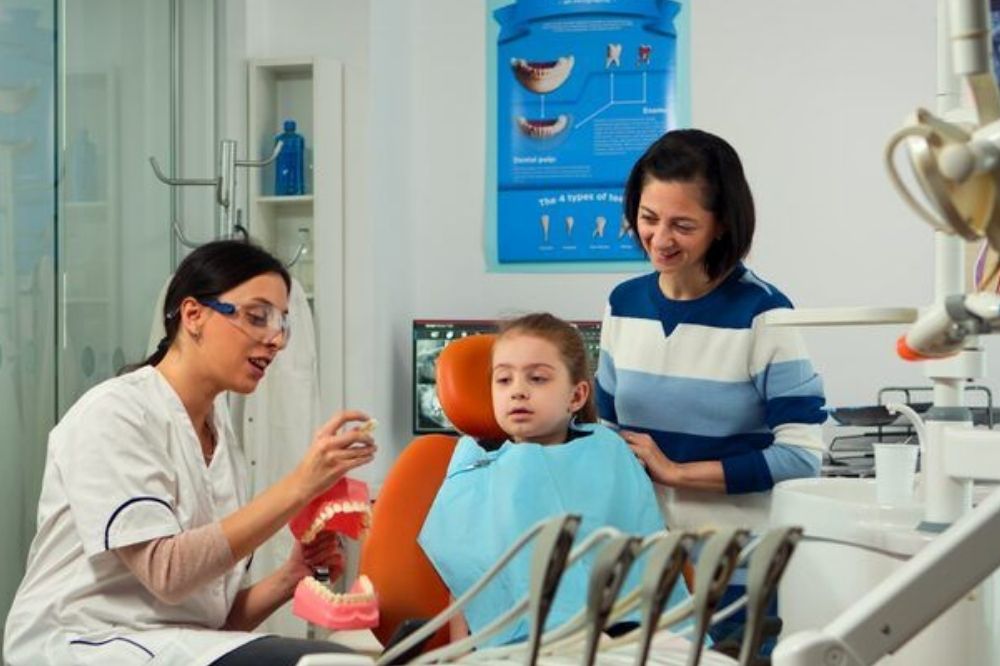
- Tell-Show-Do – The dentist tells the child what they are doing, shows them the tool on their fingernail, and then performs the task.
- Positive Reinforcement – Praising small successes, like sitting still or opening wide, builds the child’s confidence.
- Distraction – Many offices use overhead televisions or storytelling to keep the child’s mind off the clinical sounds.
What Should You Expect on the Day of the Procedure?
The appointment usually begins with a local anesthetic to ensure the area is completely numb. Many children also benefit from “laughing gas” (nitrous oxide), which is a mild sedative that helps them feel calm and “floaty” while remaining fully awake. Once the tooth is prepared, the resin is applied in layers and hardened with a special blue light, which most kids find quite fascinating.
Procedure Step | Kid-Friendly Name | What Happens |
Numbing Gel | “Sleepy Jelly” | Dulled sensation for the tooth |
Nitrous Oxide | “Giggle Air” | Relaxation and reduced anxiety |
The Drill | “Whistling Toothbrush” | Removing the decayed portion |
The Curing Light | “Magic Blue Light” | Hardening the filling material |
How Can Parents Stay Calm During the Visit?
Children are very sensitive to their parents’ emotions, so you need to remain calm and supportive. If you have your own dental anxieties, keep a neutral expression and let the dental team lead the conversation. Your role is to be a “silent supporter,” providing a comforting presence while allowing the specialist to build a direct bond of trust with your child.
Creating a Foundation for a Lifetime of Smiles
A first filling is a significant milestone in a child’s healthcare journey, and handling it with care prevents the development of lifelong dental phobias. By using the right words and approach, you can turn a dental necessity into a successful experience that proves to your child they are brave and capable. These early positive interactions will help a child focus on prioritizing their oral health and even beyond adulthood. At Island Children’s Dentistry & Orthodontics, we specialize in making every visit an adventure for our young patients. Our team is dedicated to providing a gentle, “tell-show-do” approach that removes the mystery and fear from dental treatments. If your child is ready for their first restoration or if you have questions about how we manage anxiety, we invite you to reach out to us today to schedule a stress-free consultation.
Getting here is simple — just follow us on Google Maps for the best route. 📍
FAQs
How long does a pediatric filling take?
Most simple fillings are completed in about 30 to 45 minutes, though the appointment may be slightly longer if your child needs time to get comfortable.
Will my child’s mouth be numb afterward?
Yes, the numbness usually lasts for 1 to 2 hours. It is important to watch them during this time to ensure they don’t accidentally bite their lip or cheek.
Can my child eat after the filling?
If a composite (white) filling was used, they can eat as soon as the numbness wears off. Stick to soft foods like yogurt or applesauce for the first meal.
What if my child is too scared to sit still?
In cases of extreme anxiety, your dentist may discuss alternative options such as silver diamine fluoride (SDF) or more advanced sedation techniques.